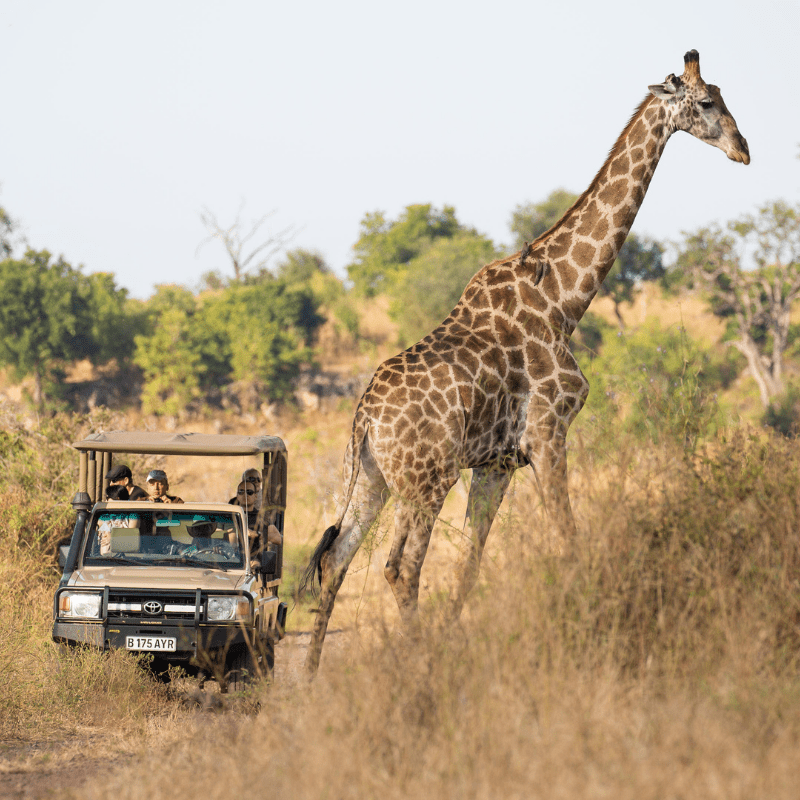
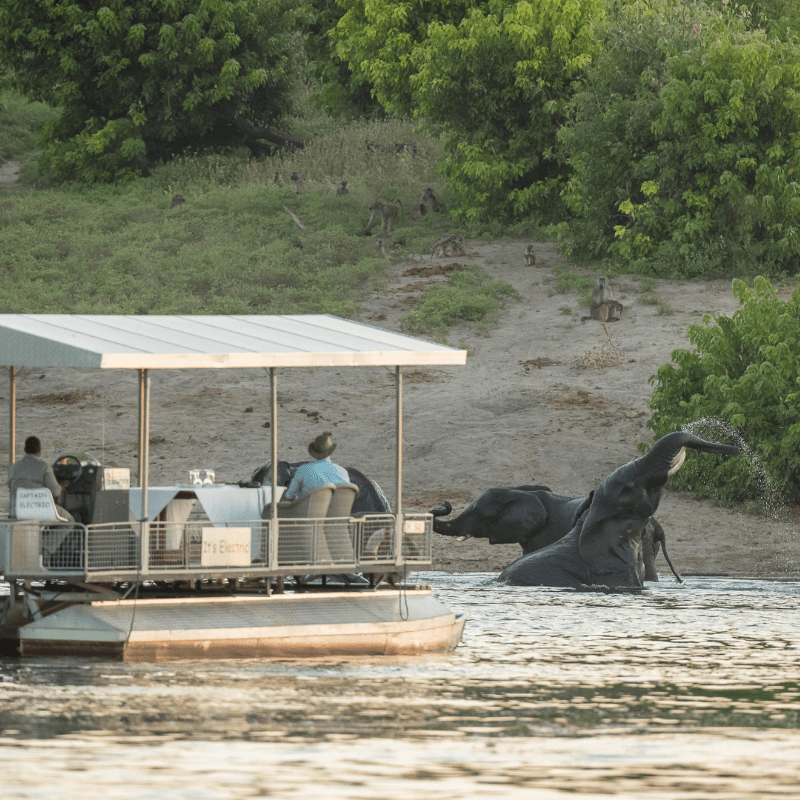
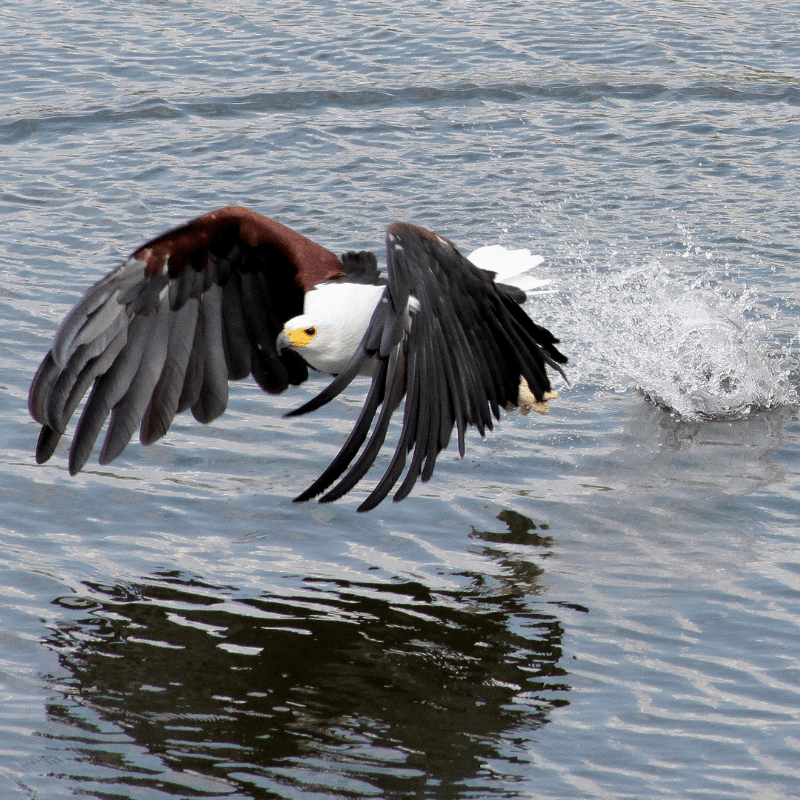
The Chobe River runs like a blue thread along the northern edge of Chobe National Park. During the dry season, elephants and buffalo gather at its banks, hippos rest in the shallows and birds crowd the water’s edge. A boat safari brings you quietly into that scene, while a game drive reveals the woodland, floodplains and predators beyond the river.
That meeting of water and land is what gives a Chobe safari its character. The riverfront offers accessible, wildlife-rich days near Kasane, while Savuti takes the journey deeper into the park with open country, powerful predator stories and a wilder sense of distance. Together, they make Chobe far more than a quick stop before Victoria Falls.
Chobe National Park covers a varied landscape of floodplains, woodland, swamps and drier interior country in northern Botswana. Its best-known area is the Chobe Riverfront, where the river forms the park’s northern boundary and supports an extraordinary concentration of wildlife. This is the classic setting for combining morning game drives with afternoon boat safaris.
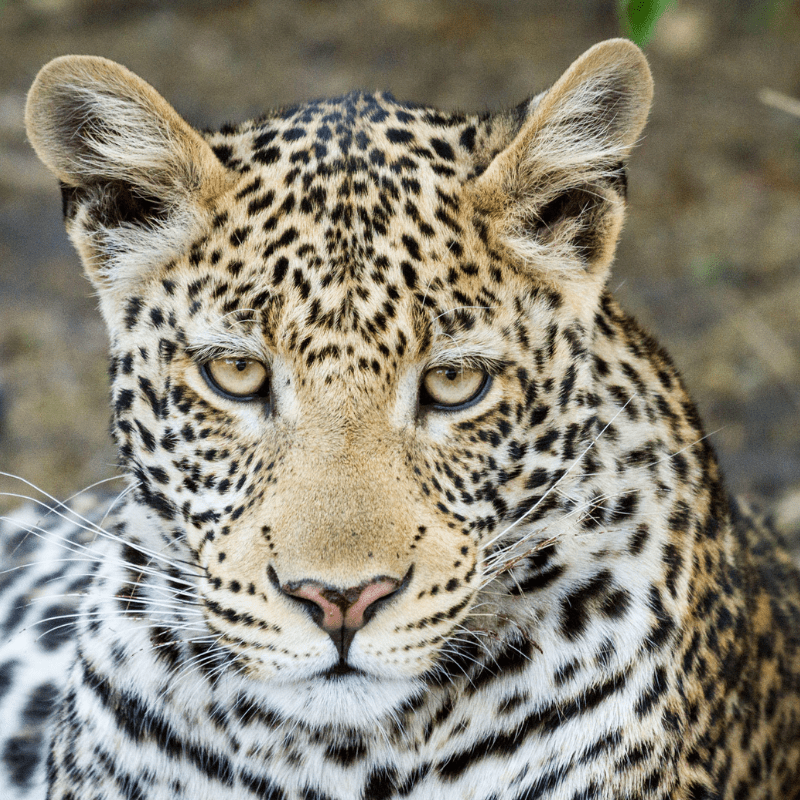
The view from the water changes everything. Elephants can be watched drinking, bathing or crossing between islands, while buffalo graze the floodplain and hippos surface nearby. From a vehicle, guides follow tracks through riverine woodland and open ground in search of lion, leopard and other predators. Chobe’s popularity means the eastern riverfront can feel busy at peak times, so the right lodge location and activity schedule make a real difference.
Savuti, in the park’s interior, offers a contrasting safari. The landscape is more open and elemental, shaped by the Savuti Channel, marsh and surrounding woodland. It is known for strong predator interest and for seasonal wildlife movements, including zebra during the green season. Reaching Savuti usually requires a longer overland journey or a light-aircraft transfer, but the reward is a deeper, more remote Chobe experience.
Kasane is the main gateway to the riverfront and makes Chobe easy to combine with Victoria Falls by road, subject to border formalities. Light-aircraft connections link Chobe with the Okavango Delta, Moremi and other Botswana safari regions. Spend a few nights at the river, add Savuti if time allows, then continue to the Delta for a journey that moves naturally from broad river to inland wetland.
Chobe can be visited throughout the year, but the experience changes noticeably between the dry river season and the greener summer months. The best timing depends on whether your priority is large wildlife gatherings at the riverfront, Savuti’s seasonal movements, birding, photography, quieter travel or a wider Botswana itinerary.
From roughly May to October, dry conditions draw increasing numbers of animals towards the Chobe River. Days are generally clear, mornings can be cold in mid-winter, and the riverfront becomes particularly productive as the season advances. August to October can bring impressive wildlife concentrations, but it is also hotter and busier, especially in the most accessible eastern section.
The first summer rains, usually from November onwards, change the landscape quickly. Wildlife spreads away from permanent water as pans fill, the park turns green and migrant birds arrive. In Savuti, the green season can bring zebra and other plains game into the wider marsh and grassland system, with predators following their movements.
Rainfall is usually strongest from January to March. Afternoon storms, heat and muddy roads can affect activities and travel times in some areas, particularly on overland routes. The riverfront still offers rewarding safari and birding, while green scenery and softer light appeal to photographers. We will match the season to the areas you want to visit rather than treating Chobe as one uniform destination.
Chobe accommodation ranges from intimate tented camps and quiet lodges west of the busiest riverfront to larger hotels near Kasane, private villas and houseboats on the river system. Farther south, Savuti offers classic safari camps in a more remote setting, reached overland or by light aircraft.
Location shapes the experience. A lodge near Kasane offers convenient access, easier Victoria Falls connections and a broad choice of activities. Properties towards the western riverfront can feel quieter, while Savuti suits travellers who want remoteness, predators and a deeper wilderness atmosphere. Some lodges sit outside the national park and travel farther for activities, so a river view alone does not tell the whole story.
Tell us whether you value privacy, family facilities, romance, photography, easy logistics or a particular style of guiding. We will compare the practical details as carefully as the room itself and choose Chobe accommodation that fits the wider safari.
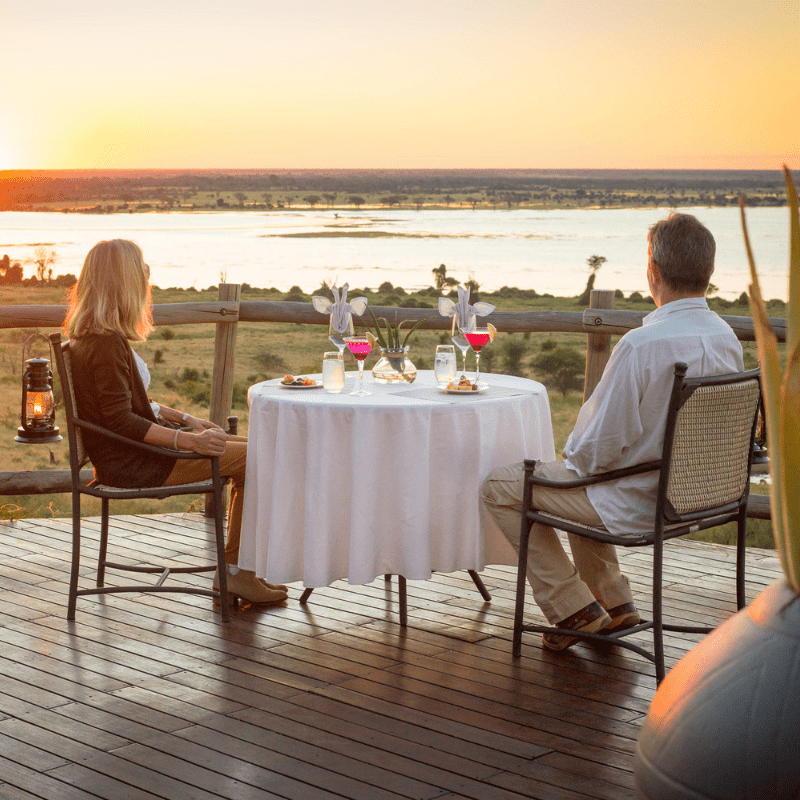
Set on a ridge overlooking the river, this camp has a charming rustic atmosphere. Its location in a less-visited region of the reserve means easy access to game drives & boat cruises during peak season. A 2-room family chalet is available.
The only riverside lodge in the Chobe National Park itself, Chobe Game Lodge takes advantage of its privileged setting to deliver excellent game viewing by 4X4 & boat. It’s a larger, hotel-type accommodation with plenty of facilities & room types.
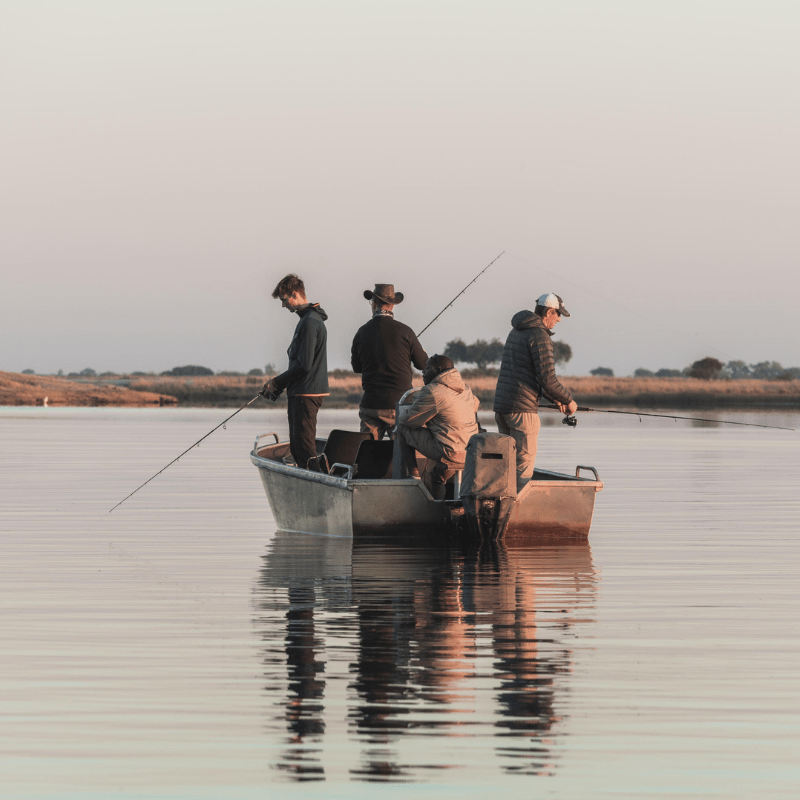
You can’t get better views of the Chobe River than those from your suite aboard the Chobe Princess, a luxury houseboat that offers game viewing by motor boat as well as birding & fishing trips. It’s an intimate, unique & unforgettable experience.
Luxury lodge perched on a plateau in Botswana’s Chobe Forest Reserve, offering sweeping views over the wildlife-rich Chobe River floodplains. Situated near the quieter western edge of Chobe National Park, the lodge provides a tranquil alternative to the busier eastern regions, while still granting easy access to the park’s abundant wildlife.
Chobe is at its most memorable when you experience the same landscape twice. In the morning, a game drive follows fresh tracks through woodland and along the floodplain. Later, a boat carries you onto the river, where elephants drink at eye level and the park stretches away in bands of water, grass and evening light.
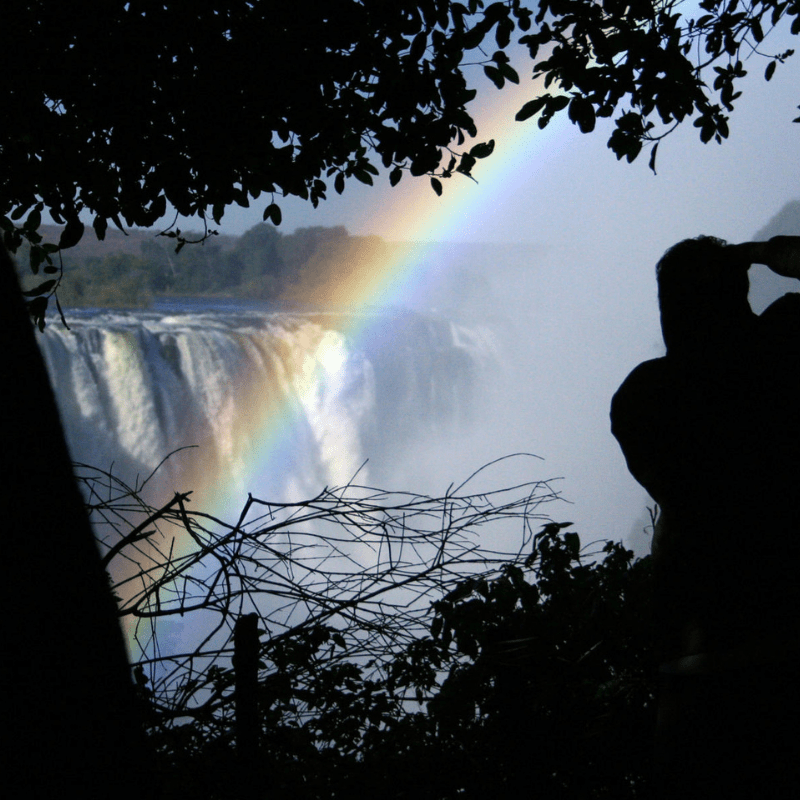
The Chobe Riverfront is the natural starting point, but it need not be the whole journey. Add Savuti for open landscapes, predators and a stronger sense of remoteness. Continue to the Okavango Delta for mokoro trips and seasonal floodwater, or cross towards Victoria Falls for a completely different encounter with the region’s rivers.
We have featured tried-and-tested itinerary ideas below, but Chobe works best when the timing, lodge location and route are planned together. We can tailor the trip around your interests, budget, preferred pace and the other Botswana regions you want to include.
Our team of destination experts will design a holiday to meet your budget and interests. Let’s start planning your tailor-made African safari today!
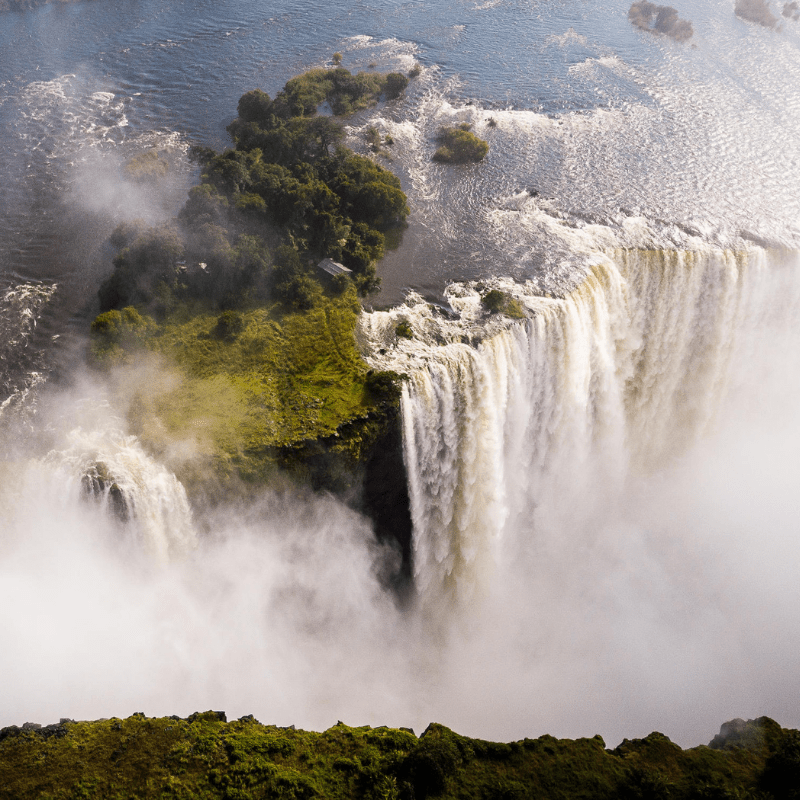
Chobe is one of the easiest places to build a wider Southern Africa journey. Continue by light aircraft to the Okavango Delta and Moremi, travel by road to Victoria Falls, or add Cape Town after the safari for mountains, coast and city life. Within Botswana, Savuti and the Kalahari can bring greater contrast and a stronger sense of distance.