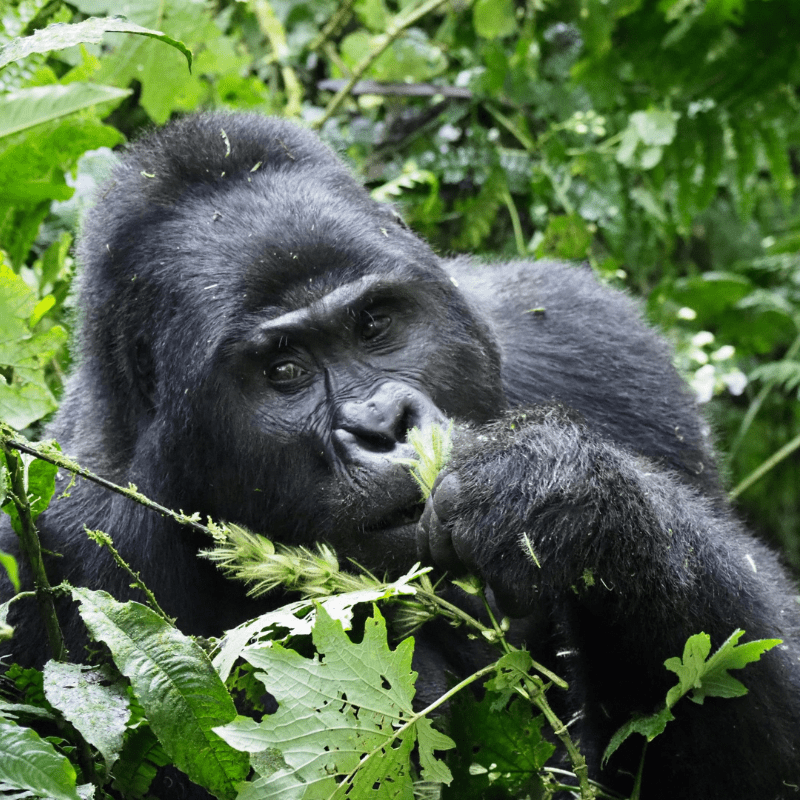
Uganda is where rainforest adventure meets classic African safari, but the moment at the heart of it all is gorilla tracking. Deep in the green folds of Bwindi Impenetrable Forest or among the volcanic landscapes of Mgahinga, the forest can open onto a habituated mountain gorilla family. Watching a silverback settle among the leaves or a youngster tumble through the undergrowth is intimate, humbling and almost impossible to put into words.
Beyond the gorillas, Uganda brings chimpanzees, savannah wildlife, the Nile, crater lakes and exceptional birdlife into one richly varied journey. It is a destination for travellers who want their safari to feel active, personal and full of discovery.
Gorilla tracking may be Uganda’s headline experience, but it is only the beginning of the story. The country moves from misty mountain forest to open savannah, papyrus wetlands and the powerful Nile, creating a safari with striking variety. A well-planned Uganda holiday can bring together several different ecosystems and styles of wildlife experience without losing sight of the encounter that drew you here.
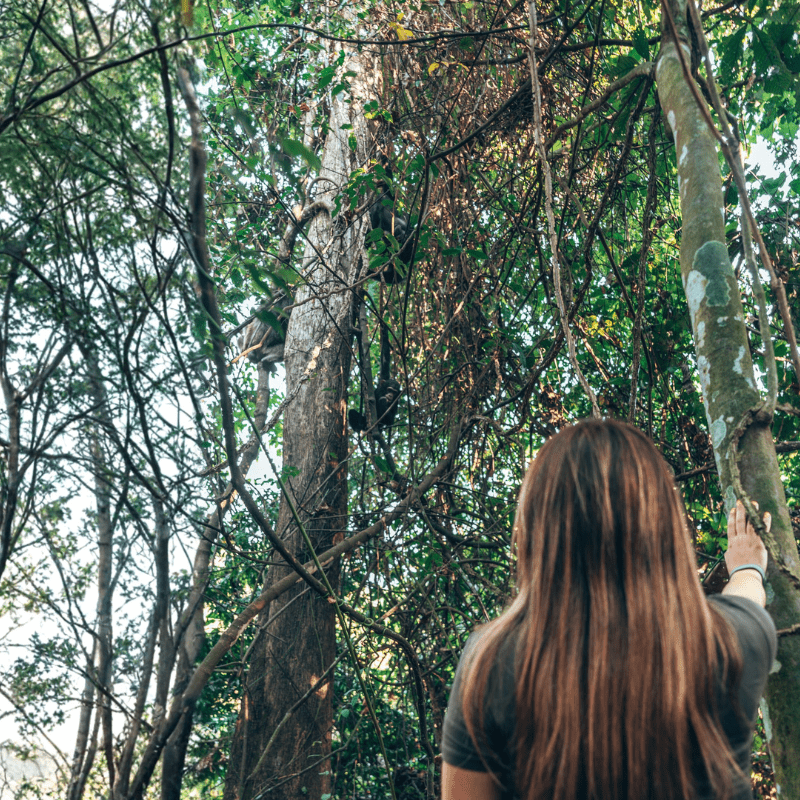
Bwindi Impenetrable National Park is the best-known setting for gorilla trekking in Uganda. Its steep, tangled forest is divided into different trekking sectors, so the right lodge and route matter. Mgahinga Gorilla National Park offers another compelling option in Uganda’s far south-west, with volcanic scenery and the possibility of adding golden monkey tracking. Gorilla permits are limited, and the trek can range from relatively manageable to physically demanding depending on where the gorillas are that day. Planning early, choosing the right base and preparing honestly for the terrain all make a difference.
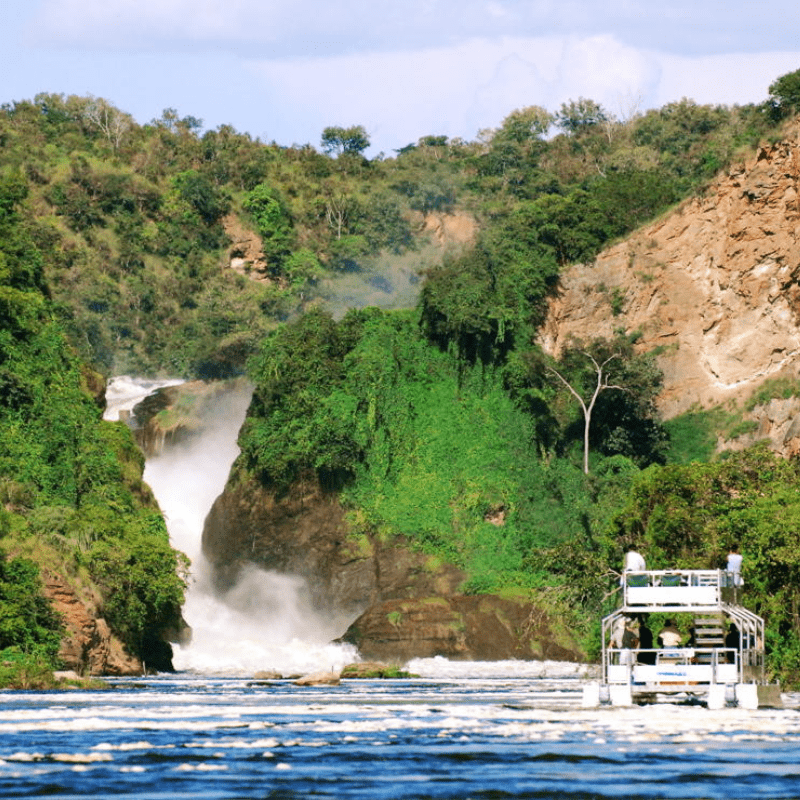
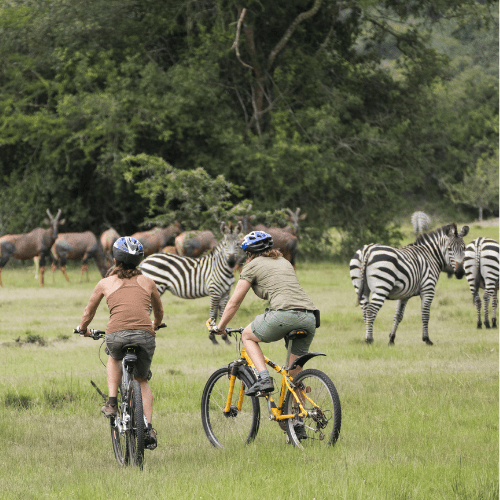
Uganda is also one of Africa’s great primate destinations. Kibale Forest is renowned for chimpanzee tracking, while other forest reserves add monkeys, birds and beautiful walking experiences. On the savannah, Queen Elizabeth National Park offers game drives and water-based wildlife viewing along the Kazinga Channel. Further north, Murchison Falls combines wildlife with a dramatic section of the Nile, where the river is forced through a narrow gorge before continuing through the park.
This range makes Uganda especially rewarding as a stand-alone safari. It also suits travellers who want to combine gorilla tracking with the Serengeti, Masai Mara, Rwanda or an Indian Ocean beach stay. The key is to allow enough time, because Uganda is not a destination to race through. Its best journeys are thoughtfully paced around permits, road or air transfers, fitness levels and the wildlife experiences that matter most to you.
Planning a Uganda safari is about much more than securing a gorilla permit. The right trekking sector, lodge location, flight routing and pace of travel can make a significant difference to your overall experience. Our Africa specialists have helped travellers plan tailor-made gorilla safaris for many years and will guide you through every decision, ensuring your itinerary feels seamless, realistic and perfectly suited to the way you want to travel.
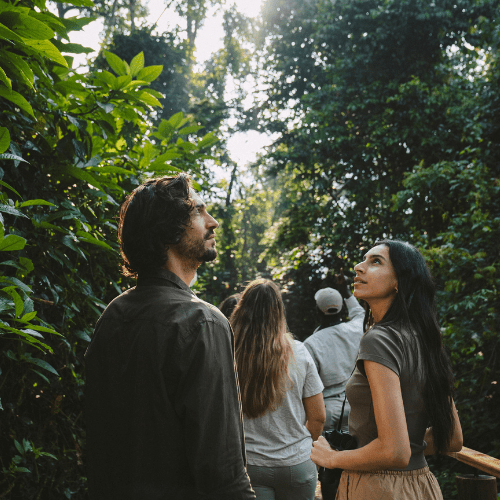
The day of your gorilla trek begins with a briefing before you enter the forest with experienced trackers and guides. The route is never identical. It may lead through thick vegetation, across uneven ground and up steep, muddy slopes, or the gorilla family may be found closer than expected. That uncertainty is part of what makes the encounter feel so real.
Once the trackers locate the gorillas, the pace changes completely. Time in their presence is carefully managed, giving you the chance to observe a habituated family while following the guidance designed to protect both visitors and gorillas. The power of the experience lies in the detail: a hand parting the leaves, the deep breath of a silverback, a youngster watching you with the same curiosity you feel towards it.
For many travellers, the most rewarding Uganda safari pairs this forest encounter with chimpanzee tracking in Kibale. Chimpanzees bring a different energy, more vocal, fast-moving and social. Add game drives in Queen Elizabeth National Park, a boat journey on the Kazinga Channel, or time beside the Nile at Murchison Falls, and Uganda becomes far more than a single-purpose trip.
Accommodation can range from comfortable, characterful lodges to intimate high-end forest retreats, and the route can be designed around your preferred level of comfort and activity. Some travellers want a short fly-in gorilla safari. Others want a deeper primate and wildlife journey across the country. We have featured popular Uganda safaris below, but we can also tailor the entire itinerary around your dates, budget, interests and pace.
Gorilla tracking in Uganda takes place throughout the year, and every month can deliver an extraordinary encounter. The main seasonal difference is usually the condition of the forest trails rather than the quality of the experience itself. Rain is possible at any time in Uganda’s tropical forests, so waterproof layers and sturdy footwear belong in your bag whenever you travel.
The drier periods, generally from June to September and from December to February, are popular because forest paths can be less muddy and hiking conditions may be more comfortable. These months are often in high demand, so gorilla permits and well-positioned lodges should be secured early.
The wetter months bring lush scenery, softer light and a quieter feel in some areas, but the trails can be slippery and more demanding. For travellers who are comfortable with changing conditions and do not mind getting muddy, the forest can be especially atmospheric at this time.
If your Uganda safari also includes chimpanzee tracking, savannah parks or a wider East African combination, timing should be considered across the whole itinerary. The best month is the one that balances trekking conditions, permit availability, wildlife priorities and the destinations you want to add before or after Uganda.
Gorilla tracking is Uganda’s defining experience, but the country rewards travellers who stay for the wider journey. Trek through Bwindi’s mountain forest, track chimpanzees in Kibale, watch wildlife from the water in Queen Elizabeth National Park, follow the Nile through Murchison Falls and discover some of Africa’s richest birdlife. Uganda brings primates, classic safari and dramatic landscapes together with rare depth.
Our destination experts will design a Uganda safari around the gorilla encounter you have been dreaming about, then shape the rest of the journey around your interests, fitness, time and budget. Choose a focused fly-in trek, add chimpanzees and savannah wildlife, or build a wider East African adventure that moves from rainforest to open plains and coast.
Let’s start planning your tailor-made Uganda gorilla safari.
Uganda can carry a complete safari beautifully, but it also combines well with the great wildlife destinations of East Africa. Add Kenya for the Masai Mara, Tanzania for the Serengeti and Ngorongoro Crater, or Zanzibar for warm seas and a slower finish after the forest.
Rwanda is a natural partner for travellers who want to compare two gorilla regions or continue through the wider Albertine Rift. A cross-border journey can pair Uganda’s Bwindi or Mgahinga forests with Volcanoes National Park, Kigali, Akagera or Lake Kivu, depending on current routing requirements and the time available.
For a journey built around contrast, combine gorilla tracking with the open plains of the Serengeti or Masai Mara. Forest and savannah ask you to experience wildlife in completely different ways, and together they create one of Africa’s most powerful safari combinations.